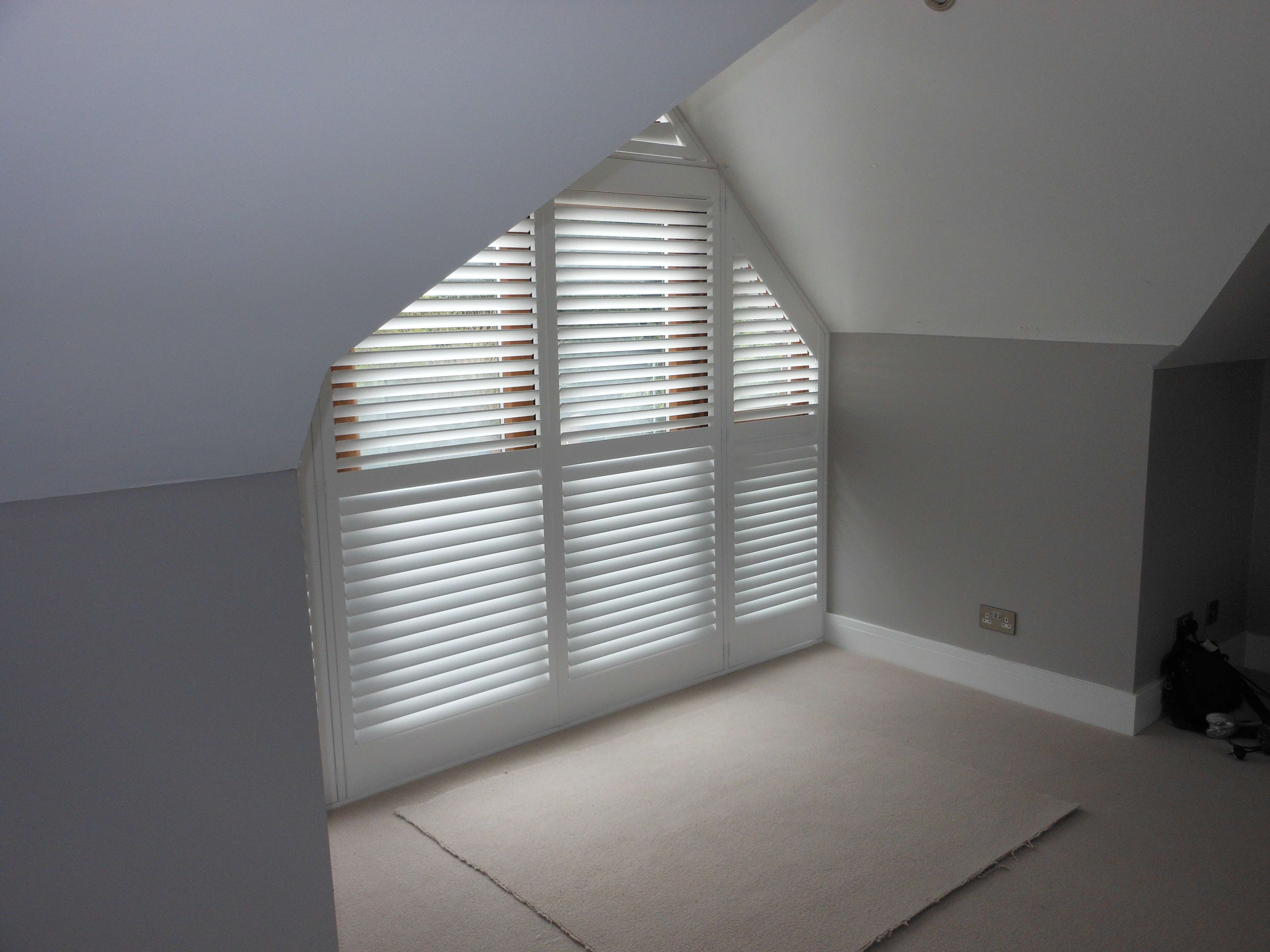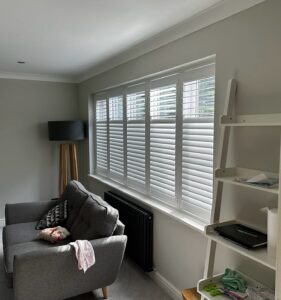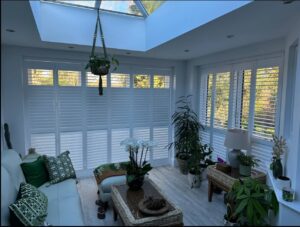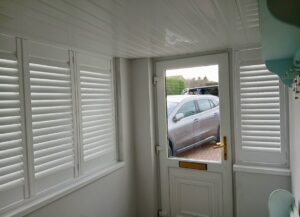
When most people think of shutters, they picture the classic plantation shutters fitted neatly inside a window. But outdoor shutters are also available and are common in many parts of Europe. So, which option is right for your home?
The answer depends on what you’re hoping to achieve. While external shutters can offer excellent protection from the elements, indoor shutters remain the most practical, cost-effective and versatile choice for the vast majority of UK homes.
Keeping Your Home Comfortable
Both indoor and outdoor shutters can help improve the comfort of your home throughout the year.
Indoor shutters create an additional layer between your room and the window, helping to reduce heat entering during the summer while also providing insulation during the colder months. By adjusting the louvres, you can control sunlight without losing natural light altogether.
Outdoor shutters stop some of the sun’s heat before it even reaches the glass, making them particularly effective in countries with consistently hot climates.
However, in the UK, where our weather is far less predictable, indoor shutters provide excellent year-round performance without needing to withstand constant exposure to the elements.
Planning permission & installation costs
One of the biggest differences is the cost. Indoor shutters are fitted directly to your window recess or frame with very little disruption to your home. Outdoor shutters usually require more extensive installation. Depending on the design, they may involve fixing into external walls, additional framework and specialist hardware, all of which increases labour and installation costs.
If you’re working to a budget, indoor shutters are generally the more affordable option while still delivering a wide range of practical benefits. You can read more on costs here.
Planning permission
This is something many homeowners don’t consider until they begin researching external shutters. Indoor shutters are installed inside your property, so planning permission is rarely an issue.
External shutters can be a different story. If you live in a listed building, a conservation area or a property where changes to the exterior are restricted, you may need planning permission or listed building consent before installation. Requirements vary depending on your local authority, so it’s always worth checking before making any decisions.
Maintenance & Security
Because indoor shutters are protected from the weather, they’re incredibly easy to look after. A quick dust or wipe with a damp cloth is usually all that’s needed to keep them looking their best. Outdoor shutters face rain, frost, wind and strong sunlight throughout the year. Over time they may require repainting, refinishing or repairs to hinges and hardware to keep them operating smoothly.
For homeowners wanting a low-maintenance window solution, indoor shutters are often the clear winner.
Security
External shutters can provide an extra level of protection when closed, particularly in countries where they are designed with security in mind. Indoor shutters aren’t intended as a security product, but they do offer excellent privacy by preventing people from looking into your home while still allowing you to enjoy natural light through adjustable louvres, and can act as a deterrent.
If security is your main goal, outdoor shutters might be a better option for you. If you prefer some security benefits and extra privacy, indoor shutters could be a great option.
Which shutters should you choose?
For most homes in the UK, indoor shutters offer an excellent balance of style, practicality and long-term value. They help improve insulation, reduce glare, provide outstanding privacy and require very little maintenance. Installation is usually simpler, costs are generally lower, and planning permission is rarely something you’ll need to think about.
Outdoor shutters certainly have their place, particularly in hotter climates or on certain period properties. For customers who want shade during a heatwave or maximum security, they’re a great option that lasts for years. They also look great!
Ultimately, the right choice depends on your property, your budget and what you want your shutters to achieve. If your priorities are improving privacy, controlling natural light, enhancing energy efficiency and adding a timeless finish to your home, indoor shutters are likely to be the more practical option. If you’re looking for maximum protection from the sun or want to preserve the character of a period property with traditional external shutters, they may be worth exploring further.